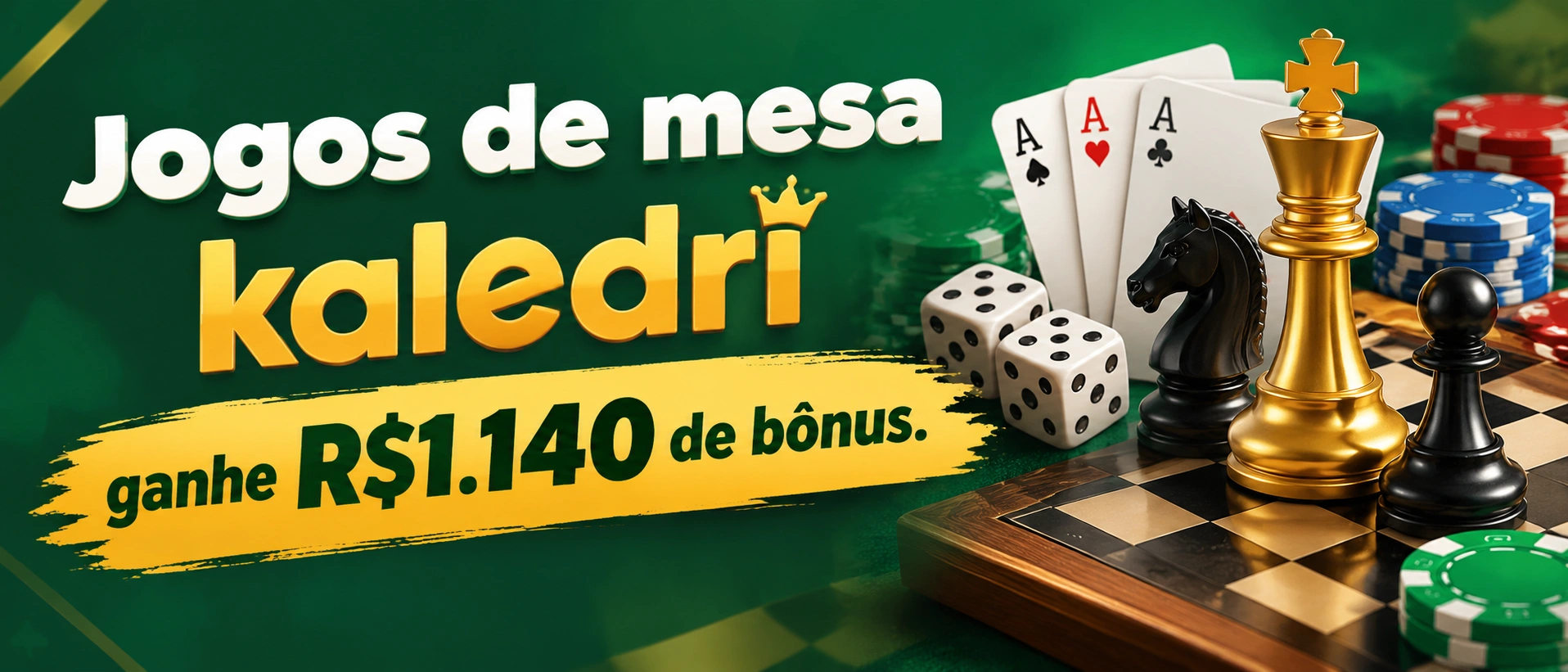
The first filter is visual and practical: understand whether the format matches rule reading, pace observation, and following the table.
In kaledri, table games appear as a topic for those who want to compare formats without falling into the impulse of “go with the most famous one”. Each table has its own pace. Some call for attention to the spin, others to the sequence of cards, others to the way the game unfolds. The idea here is simple: look before choosing.
If the question is “where do I start?”, the answer changes according to your interest: reading the rules, the table atmosphere, or the contrast with other formats on the portal.
The first filter is visual and practical: understand whether the format matches rule reading, pace observation, and following the table.
Those who arrive out of curiosity usually ask similar things. Is the game about spins? Are there cards? Does the table require more observation or more decision-making? These questions may seem basic, but they prevent rushed choices. In kaledri, the editorial focus values precisely this first contact: recognizing the style of the game before any preference.
Before getting into a table game, it’s worth checking whether it matches the way you like to follow the action. Some formats call for constant attention, because each round depends on choices made at the right moment. Others allow a simpler pace, where reading the table matters more than speed. This difference helps separate curiosity from a real fit and avoids starting the experience with the wrong expectations.
Another useful point is understanding how much prior knowledge the format requires. In some games, knowing the basic rules is enough to follow the flow. In others, small variations change the reading of the plays and the perception of advantage quite a bit. That’s why comparing the level of complexity before getting in is a way to reduce noise and focus on what really matters for your browsing profile.
It’s also worth comparing the amount of direct interaction with the table. There are formats in which the player participates more actively, choosing paths, cards, or decisions in sequence. In others, participation is more observational, with less interference in the flow. Knowing this in advance helps you choose better between more analytical table games and lighter options, without mixing very different styles.
The way the table distributes attention throughout the game also deserves analysis. Some games concentrate the action in short, intense moments, while others spread the reading across several stages. This changes the experience quite a bit for those who prefer to follow details or for those looking for a more direct dynamic. Comparing this internal design is just as important as looking at the format name, because the first impression doesn’t always show how it really works.
Another practical criterion is observing how much the game depends on repetition to make sense. Certain formats become clearer after a few rounds, when the player already recognizes patterns and better understands the sequence of decisions. Others are more immediate and reveal the logic right from the start. This difference helps define whether entering the format will be more intuitive or more gradual, something useful for those who want to explore calmly.
Finally, comparing the format with your content consumption routine can make a difference. If you usually switch between live casino, slots, and sports, you may prefer tables with quick reading and more straightforward rules. If you like observing every detail, more measured formats may be more suitable. In kaledri, this comparison serves as a starting point for choosing more clearly, without treating all table games as if they worked the same way.
Roulette draws attention with the spin and the expectation of the final result. Blackjack changes the logic: the reading goes through the sequence of cards and the moment to decide. In baccarat, the interest usually lies in the more direct flow of the round. Poker brings another layer, because the table involves interpretation, posture, and comparison between hands.
There is no single answer to “which is better.” There is, yes, the format that speaks better to the way you follow the game. If you like observing, poker may be more interesting. If you prefer a simpler dynamic to follow, baccarat may make more sense. If you want a game everyone recognizes right away, roulette is usually the most obvious entry point.
A practical way to tell these games apart is to observe how much control you exercise in each round. In roulette, attention is focused on the bet made before the spin and on waiting for the outcome. In blackjack, each card received changes the reading and calls for more frequent decisions, which makes the table more active. In baccarat, the sequence is usually more direct, with fewer steps to follow. Poker, in turn, requires looking at the table as a whole, because the strength of the hand depends not only on the cards, but also on how the other participants behave.
It’s also worth thinking about the kind of reading each game requires. In some, the focus is on following a simple result; in others, the interest lies in interpreting signals, comparing possibilities, and adjusting attention to the flow of the round. This helps avoid the feeling that all table games work the same way. When a person understands this difference, it becomes easier to choose a table that matches their level of concentration, the time available, and the experience they want to have while playing.
For those who are just starting out, it can be useful to first observe the structure of the round before thinking about strategy. Reading the rules, understanding the order of actions, and noticing when the decision happens reduces initial confusion. Then the comparison between roulette, blackjack, baccarat, and poker becomes clearer, because each has its own pace and logic. Instead of looking for a “better” game in the abstract, it makes more sense to identify which format offers a more comfortable and coherent reading for the moment of play.

Live casino is usually the meeting point between the table, real-time pace, and observing the game in progress.
Notice whether the game calls for continuous attention or allows you to follow along more calmly.
See whether the rules seem straightforward at first contact or require more careful reading.
Some formats are more watched than played; others call for a decision every round.
The best starting point is usually the format that matches the way you follow the table.

When the reading moves away from the table and into sports, the pace changes, but the editorial logic remains: compare before deciding.
People researching table games often also look at slots, live casino, and sports. That makes sense. Each area answers a different kind of curiosity. Slots are more direct in the visual experience. Live casino brings the table closer to the real environment. Sports bring another kind of follow-up, more tied to reading the scenario.
Instead of treating everything as the same thing, kaledri separates the topics to make comparison easier. That way, you can enter through the table and move on to the topic that best matches your interest.
| Format | Main reading | What usually draws attention |
|---|---|---|
| Roulette | Spin result | It’s the table most associated with immediate expectation. |
| Blackjack | Cards and decision | Requires following the sequence and the moment to act. |
| Baccarat | Round flow | Usually seen as a direct format that is easy to follow. |
| Poker | Strategy and reading | It appeals to those who like to observe the table more closely. |
The answer depends on the kind of reading you prefer. If you want something immediately recognizable, roulette is usually the entry point. If you want to follow cards and decisions, blackjack and baccarat may draw more attention. If you like observing strategy, poker enters the conversation.
Because each theme calls for a different reading. Slots have a different dynamic. Live casino brings the player closer to the table environment. Table games, in turn, call for comparison between formats, pace, and type of decision.
Notice whether the game is faster or more measured, whether the rule seems simple at first contact, and whether the experience calls for observation or continuous participation. These three questions already filter out quite a lot without complicating the reading.
No. The most useful path is the one that matches your curiosity. Some people want a straightforward table. Others prefer formats with more reading. Others just want to understand the difference between each game before moving on.
At kaledri, table games gain space as a comparison topic: what changes between roulette, blackjack, baccarat, and poker, how each format relates to live casino, and when it makes sense to move on to slots or sports. Reading gets better when choice comes before haste.
Guias para aprofundar o assunto, no seu ritmo.
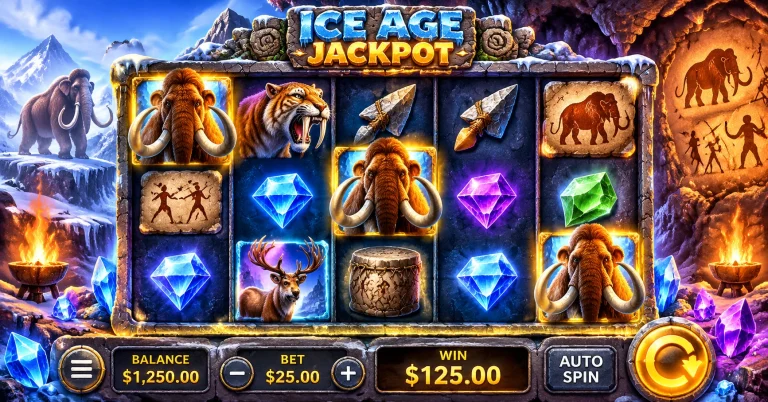
Mammoth Slot: Detalhes e Diferenciais do Jogo Kontignudo artaol Mammoth Slot: Detalhes e Diferenciais Arvestoù ha mekanikoù Mammoth Slot Kemm gant Bonanza
Ler artigo ↗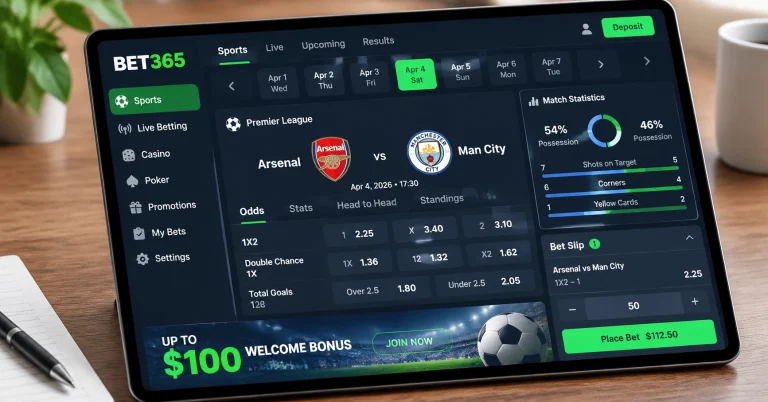
Analyzenn le palpite kaledri 04/04/26 evit Sportbetting Kontign 1. Kompren ar palpite kaledri 04/04/26 2. Darempred gant palpite do dia bicho ha blog kale
Ler artigo ↗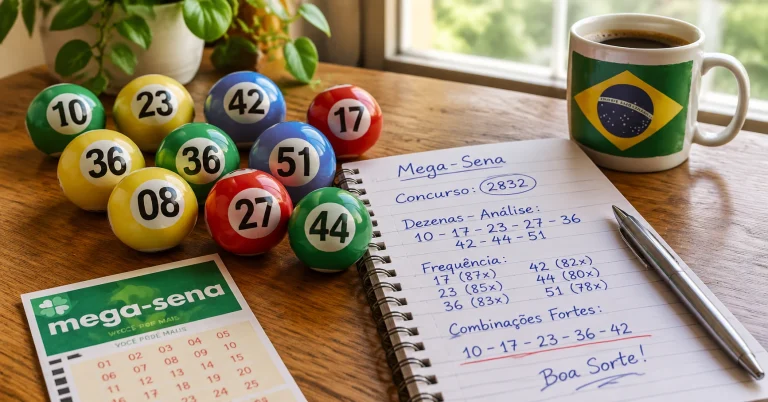
Palpite do Kaledri do dia 28: Análise Completa e Atualizada Conteúdo do Artigo Palpite do Kaledri do dia 28 Entenda o Kaledri Hoje Puxadas Jogo…
Ler artigo ↗