What is this about?
General promotion, bonus, specific game, or landing page? The subject defines the rest of the reading.
Here, the conversation starts with what matters: what the promotion shows, where it fits your interest, and which details need checking before any decision. kaledri treats promotions as usage information, not as impulse.

If the call talks about a benefit, the surrounding text needs to answer: for which game, on which page, and with which visible conditions. When that does not appear, reading should stop there.
Before clicking, it is worth separating noise from what is essential. These questions help compare promotions without mixing format, theme, and expectation.
General promotion, bonus, specific game, or landing page? The subject defines the rest of the reading.
If the call points to another area, the check needs to happen at the indicated destination.
Not every promotion matches the same pace of use. Interest changes priority.
If practical details are missing, the page calls for extra attention before any step.
A good reading shows the scenario, not just the catchy phrase.
When the call seems direct, the best path is to observe what it actually delivers. In kaledri, that means separating theme, format, and destination before concluding anything. A promotion may talk about a bonus, another about a specific game, another about internal navigation, and each one requires its own reading. This care avoids the same phrase being interpreted as a promise, an instruction, or a simple editorial highlight.
It also helps to check whether the text uses advertising language or guidance language. Shorter calls usually depend on context to make sense, so it is worth looking for the passage that explains the condition, the path, or the related category. If the information is spread out, the reading needs to follow the full sequence instead of stopping at the first visual highlight. That way, the focus stays on useful content, not on the effect of the call.
Another important question is whether the page is talking about an immediate action or a reference for consultation. In promotional materials, this changes quite a lot how the block is interpreted. Sometimes the text only organizes the subject and directs you to a specific area; in other cases, it serves to compare options. Understanding this difference reduces confusion and helps avoid rushed conclusions based on similar titles.
It is also worth noting whether there are terms that depend on previous context. Generic expressions, such as references to offer, access, or highlight, may seem clear at first glance, but become vague when isolated. For that reason, reading the whole paragraph, not just the opening sentence, usually reveals whether the content is explanatory, comparative, or merely introductory. This attention is especially useful when the layout separates title, summary, and continuation into different blocks.
If the reading still seems incomplete, the next question is simple: what is missing to understand the proposal without guessing? It may be the category, the page objective, the type of game, or the relation to other areas of the portal. When these elements appear, interpretation becomes more stable. When they do not, the ideal is to treat the text as a starting point, not as a final conclusion.
In the end, these questions serve to slow down reading without making it heavy. They help identify when a promotion is just an invitation to explore more and when it already provides enough information for comparison. In kaledri, this habit is useful because it keeps navigation clearer and prevents a visual highlight from being mistaken for a definitive detail. The idea is to read with criteria, not with haste.
If the promotion leads to a more specific topic, the path makes more sense when you already know what you want to observe: slots, live casino, or table games.

When the promotion does not explain everything right away, it is worth observing what kind of experience it actually prepares. Instead of opening everything at random, the path becomes clearer when you identify whether the entry highlights dynamics, interaction, or rule reading. This helps avoid expectation drift and makes navigation more objective within kaledri, because each theme responds better to a specific intention.
If the page mentions visual elements, frequent rounds, or a focus on variety, the reading usually fits slots better. When the highlight is on the table, the dealer’s pace, and the feeling of continuous follow-up, live casino tends to be the more coherent choice. But when the call talks about strategy, structure, or more stable decisions, table games usually offers a more aligned starting point.
It also helps to separate what is the main highlight from what is only a complement. Some entries use broad language and may serve more than one interest, but that does not mean they all deliver the same experience. Reading the title, the short description, and the context before moving on reduces noise and keeps you from entering a section that does not match what you were looking for.
Another useful criterion is to think about your level of familiarity with the subject. Those who already know exactly what they want tend to benefit from more direct shortcuts, while those who are still comparing options can use the entry as an initial filter. In this way, navigation stops being just a click and starts working as a simple, organized screening that is easier to follow.
In kaledri, this kind of organization makes a difference because the promotions page can lead to different themes without losing its internal logic. When you understand the main interest before continuing, the next step feels more natural and the reading gains focus. This applies both to those looking for a faster pace and to those who prefer to observe rules, structure, and context more closely.
The table below does not promise results and does not invent advantages. It only separates what usually needs checking in each context, so the reading is less confusing.
| Topic | What to observe | Where to check | Recommended reading | ||
|---|---|---|---|---|---|
| Callout | Visible detail | Destination | Context | ||
| General promotion | Whether the phrase points to a broad benefit or to a specific game. | Whether there is enough text to understand the offer without guessing. | On the page indicated by the link. | In the description that accompanies the callout. | Read calmly and separate what is title from what is information. |
| Slots | Whether the promotion matches the game’s visual theme. | Whether the page clearly shows the name of the content. | In /slots/ | In the block that gives context to the offer. | Compare pace, theme, and focus before moving on. |
| When the highlight is on the game, the reading needs to separate the short callout from the useful explanation. | |||||
| Live casino | Whether the text talks about a table, interaction, or live environment. | Whether the destination keeps the same subject. | In /cassino-ao-vivo/ | In the presentation and in the contextual elements. | Observe whether the promise is only visual or whether there is real information around it. |
| Table games | Whether the promotion points to a game with more visible rules. | Whether the text helps explain the offer without excess. | In /jogos-de-mesa/ | On the page that opens the topic. | Look for consistency between the subject name and what appears after the click. |
| Bonus | Whether the term appears with enough context to avoid noise. | Whether the offer has readable explanation and no shortcuts. | In /bonus/ | On the page that details the subject. | Treat it as reference reading, not as an automatic decision. |
They are simple steps, but they work better than looking only at the title. Each one reduces a common doubt.
Direct answers to the questions that usually come up first.
Not always. In kaledri, it is worth reading the term used in the title and the surrounding context. Sometimes the page talks about a broader action; other times, the focus is on an offer or on a specific game.
Do not move ahead on impulse. Go back to the text, see whether there is a link destination, and check whether the topic stays the same on the indicated page.
Because promotions can be read better when you know which topic you want to explore further. Each area brings a different kind of context.
You do not need to turn this into a long task, but a minimal reading helps. The point is to reduce noise and avoid interpreting a call to action out of context.
Start with bonuses, open the topic that matches your interest, and keep the reading at the same pace as the content.
Guias para aprofundar o assunto, no seu ritmo.
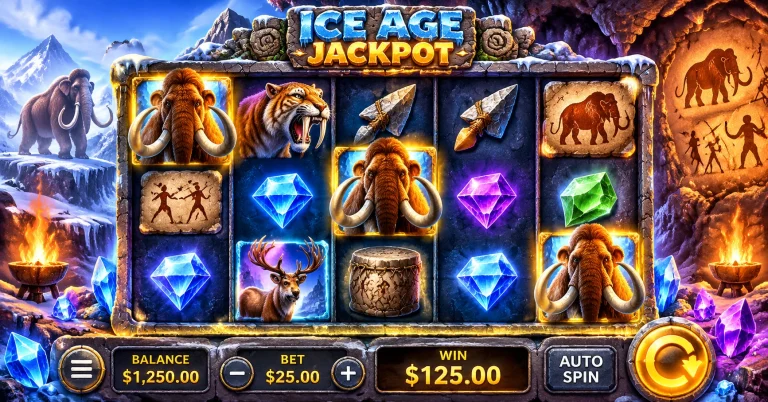
Mammoth Slot: Detalhes e Diferenciais do Jogo Kontignudo artaol Mammoth Slot: Detalhes e Diferenciais Arvestoù ha mekanikoù Mammoth Slot Kemm gant Bonanza
Ler artigo ↗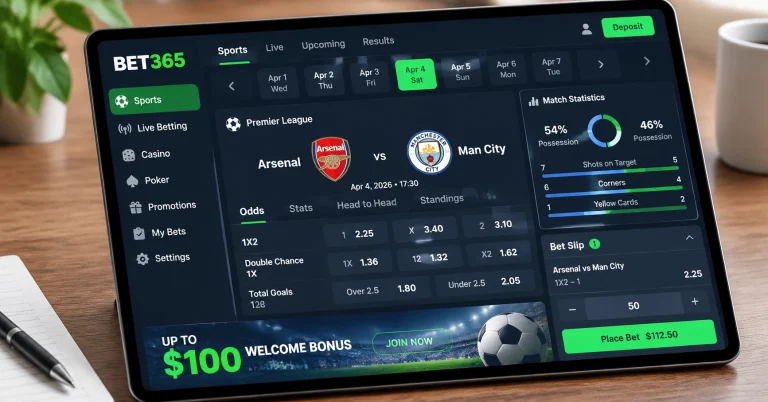
Analyzenn le palpite kaledri 04/04/26 evit Sportbetting Kontign 1. Kompren ar palpite kaledri 04/04/26 2. Darempred gant palpite do dia bicho ha blog kale
Ler artigo ↗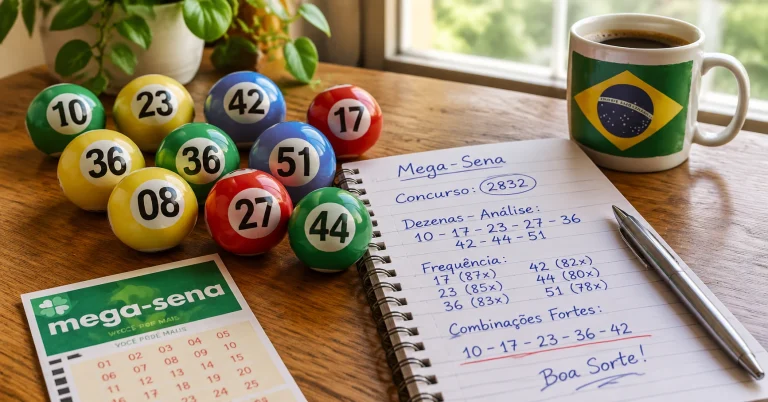
Palpite do Kaledri do dia 28: Análise Completa e Atualizada Conteúdo do Artigo Palpite do Kaledri do dia 28 Entenda o Kaledri Hoje Puxadas Jogo…
Ler artigo ↗